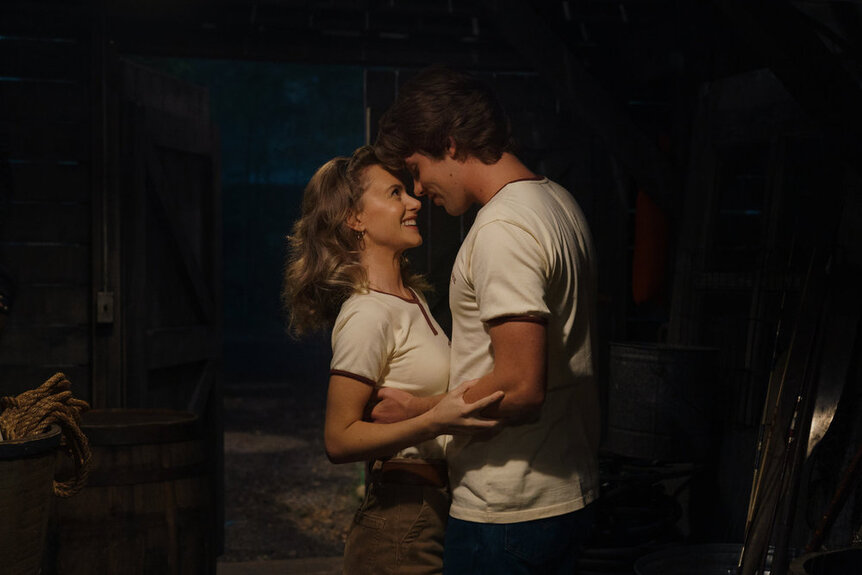
Crystal Lake Explained Why Friday the 13th's Jason Voorhees Didn't Die After Drowning
The penultimate episode of Peacock's prequel series answered what might be the biggest question about the masked murderer's lore.


Content availability may vary over time.
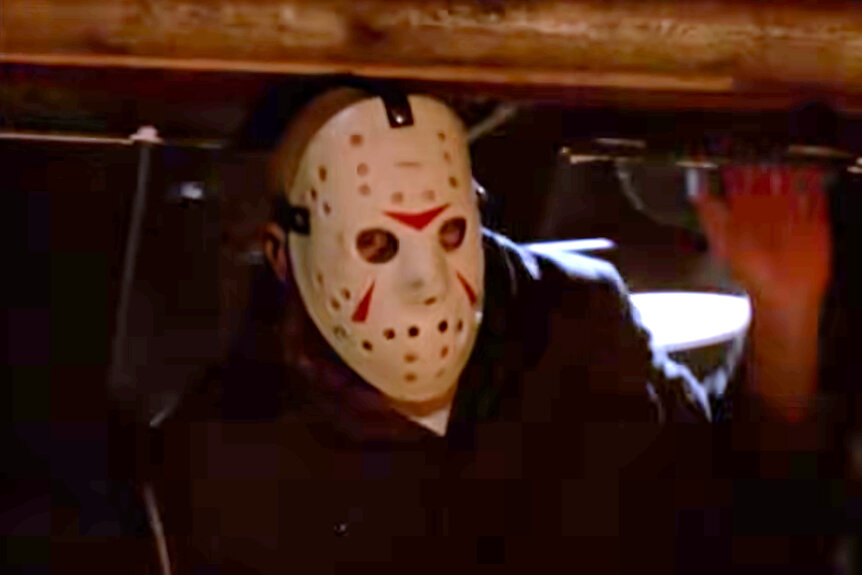
While horror movie icon Jason Voorhees technically made his screen debut at the end of 1980's Friday the 13th in a dream sequence, he didn't get a real second life until the 1981 sequel. His mom Pam Voorhees (Betsy Baker) was the slasher in the first installment, but Jason has gone on to slay in 10 films as an unstoppable force who seemingly can't be killed. After drowning as a boy at camp, the child became an enormous man who lives to "Ki ki ki, ma ma ma" again, time after time.

Two sequels tried to offer reasons why Jason always rose again: a lightning strike in Friday the 13th Part VI, and a divisive, retroactive "Pam did a spell!" explanation in 1993's Jason Goes to Hell. But Peacock's Crystal Lake prequel series finally provides a coherent, pseudo-scientific explanation for why Pam (Linda Cardellini) was right to believe that her son was still in the lake.
Episode 7, "Friday...," flashes back to reveal the specific reason why Jason is so unique — and so durable.
RELATED: Meet the Full Cast of Crystal Lake
How did Jason Voorhees survive drowning at Camp Crystal Lake?
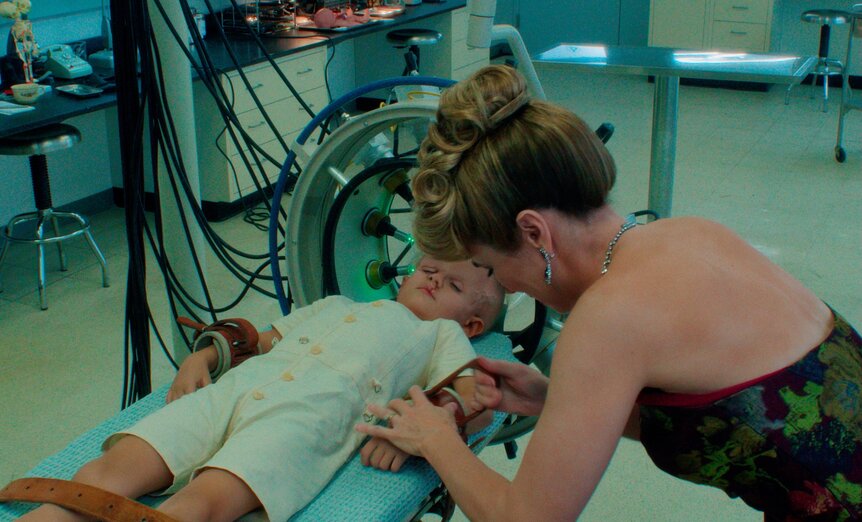
According to Episode 7 of Crystal Lake, Jason (Callum Vinson) and Pam Voorhees were both subjects in a top-secret clinical trial called Project Argonaut. It was run by multinational corporation Bellflower, for which Jason's father Elias Wittering (Hamish Linklater) works. The treatments effectively made Jason seemingly indestructible, and it turns out that was the goal.
The episode begins in 1959 — the height of the Cold War, one year after the opening scene in the original Friday the 13th film — when Pam learns she has a high-risk pregnancy. Elias convinces Pam to try the painful experimental treatments, which resultantly increased her aggression levels. What's more, Jason must endure ongoing "treatments" that make him lose his hair, among other side effects.
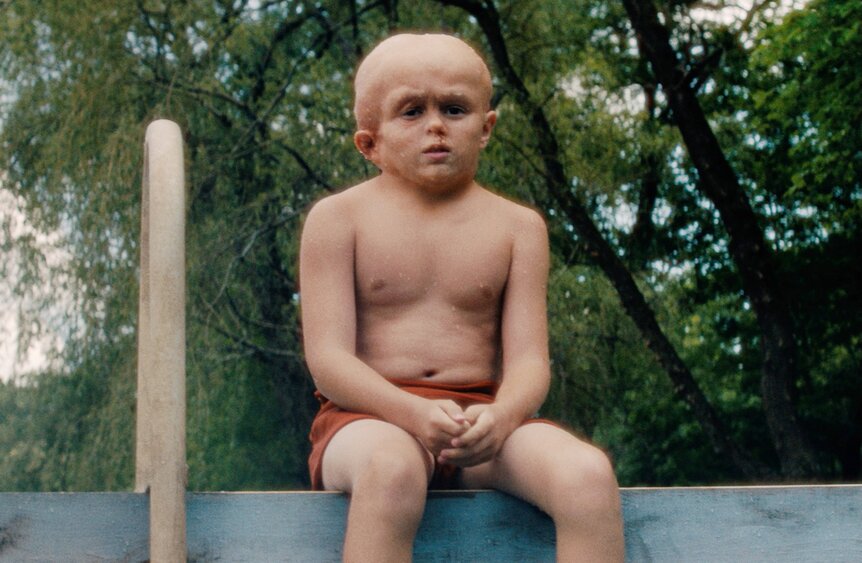
Delivering a speech about Project Argonaut's true mission, Elias reveals Jason as the first person who can "survive an atomic blast" due to Bellflower's horrific interventions.
"After years of rigorous experimentation, our team has managed to replicate the cellular process that enables a cockroach to withstand radioactive fallout in a human being," Elias says. He refers to his son as a "test subject" with "uncanny levels of resilience."
Fortunately, Pam is able to bust him out of the lab (after killing the evil doctor in charge of the project) to give Jason a few more happy years.
RELATED: Who Is Jason Voorhees' Father? Widow's Bay Fans Will Recognize the Crystal Lake Actor
The reason Jason doesn't die is why he can't be killed in Friday the 13th movies
Jason's "resilience" is foreshadowed earlier in the episode, when a traumatized Pam falls asleep while bathing infant Jason, yet he doesn't drown in the tub. Applying this lore to what came before, it's the same reason why he doesn't die for good in the Friday the 13th films: Project Argonaut rendered him indestructible.
No wonder he seems kind of mad. Stream all eight episodes of Crystal Lake on Peacock now.
Take a deeper dive into Crystal Lake's ending and easter eggs on Peacock Blog
Have more questions about Crystal Lake's lore, Jason's first appearance as a killer, and all the connections to the Friday the 13th movies? Peacock Blog has all the answers:
Crystal Lake Episode 2 Recreates One of Friday the 13th's Most Iconic Scenes
All The Friday the 13th Easter Eggs in Crystal Lake: How They're Connected [SPOILERS]
Crystal Lake’s Ending, Explained: How Episode 8 References the Friday the 13th Sequel
Crystal Lake's Snake Scene Is a Callback to the One Killed in Friday the 13th
Where Is Jason Voorhees' Iconic Hockey Mask in Crystal Lake?